The Silent Cry behind Binge eating — What is your body really asking for?

That urge to binge eat?
The guilt after eating?
The desperate need to control your body?
Sometimes, it’s not the adult you acting out. It’s the little girl inside, the one who never felt truly safe around food or around emotions.
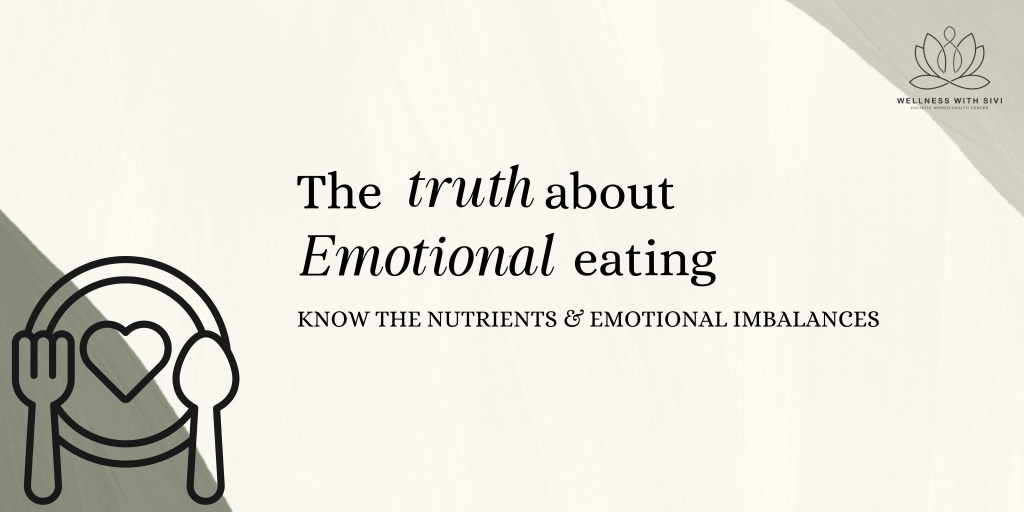
Many women find themselves caught in a cycle of emotional eating followed by shame or guilt. But what if your food choices are less about discipline and more about emotional unmet needs, organ imbalances, or even nutrient deficiencies?
In Traditional Chinese Medicine (TCM), each organ is associated with specific emotions.
For example, the Spleen, which governs digestion and transformation of food into energy, is linked to worry and overthinking. When you’re mentally overwhelmed or anxious, your Spleen may become imbalanced, leading to sugar cravings, bloating, and a tendency to emotionally eat to find safety within yourself. This is why we often reach for carbs or sweets when stressed, they can “comfort” the Spleen.
Similarly, the Liver, which is responsible for the smooth flow of energy and emotions, is associated with anger, frustration, and repression.
If emotions are suppressed, Liver Qi stagnates, this can cause binge episodes followed by guilt or irritability. The body rebels against the type of control, and swings toward anger, irritability as a release.
Psychosomatically, binge eating can be a way the body tries to numb or soothe emotional distress. Food becomes a shield, a comforter, a distraction. Many women who struggle with disordered eating patterns trace the root to childhood.
Most families don’t trust the autonomy of the child. The child’s hunger and cravings are always disregarded. Force feeding is very common in many house holds as well. Certain children they loose the interest in food or develop an aversion towards food.
Food may have been used to cope with loneliness, fear, abandonment, or the pressure to be labelled as a Good Child.
You might notice this pattern:
- Feeling anxious or unloved? Craving sugar and dairy.
- Feeling powerless or angry? Craving salty or crunchy foods.
- Feeling emotionally empty? Craving carbs or overeating heavy meals.
- Each food craving often holds a message from your inner self.
From a nutritional perspective, craving is also commonly linked to deficiencies:
- Magnesium: Deficiency can cause chocolate cravings, anxiety, and PMS-related mood swings.
- Chromium and Zinc: Low levels can contribute to blood sugar crashes and sugar cravings.
- Protein and healthy fats: Without them, you may feel constantly hungry or unsatisfied, leading to binge cycles.
Food behaviors are rarely just about willpower, they’re often the body’s attempt to regulate emotional pain, soothe nervous system dysregulation or signal unmet biological needs.
What can help?
- Nourishing your body with nutrient-dense meals that include protein, fats, and fiber.
- Supporting your Spleen with warm, cooked meals and reducing cold/raw foods.
- Journaling emotional triggers before bingeing to understand your patterns.
- Tending to your inner child — asking what she truly needs when the urge to binge arises.
True healing comes not from more control, but from being compassionate towards yourself. When you start listening to your body, not punishing it you begin to untangle the emotional knots behind the plate.
Here is a Guided meditation, that can be used when you have an emotional food craving or if you are filled with guilt after having an episode of binge eating.
Wishing you more Healing,
Love, Sivi