How Oral Contraceptive Pills Affect Menstruation & Fertility: The Hidden Downsides

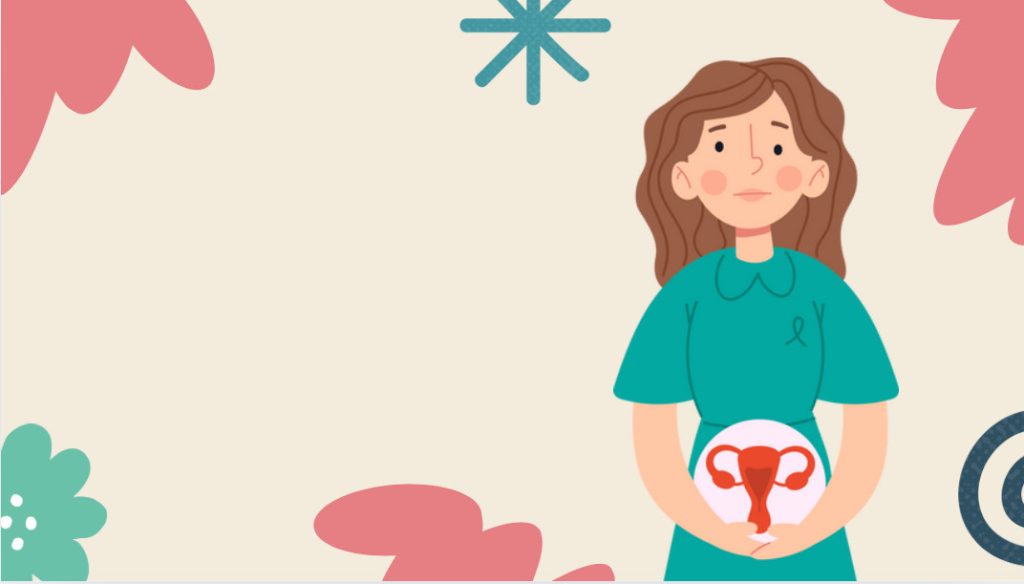
Oral contraceptive pills (OCPs) are widely used for birth control and menstrual regulation, but their long-term effects on natural cycles and fertility are often overlooked. While they offer benefits like reducing period pain and controlling hormonal imbalances, they also come with potential downsides. If you’re considering OCPs or planning to transition off them, understanding their impact on your menstrual health and fertility is crucial.
1. How OCPs Disrupt the Natural Menstrual Cycle
OCPs work by suppressing ovulation and altering hormone levels. Instead of a natural cycle, they create a withdrawal bleed—a reaction to the break in synthetic hormones rather than a true period. Over time, this suppression can affect the body’s ability to restore natural ovulation.
Potential Effects on Menstruation:
• Post-Pill Amenorrhea: Some women experience a delay in the return of their natural cycle after stopping OCPs, sometimes lasting for months.
• Thinning of the Uterine Lining: OCPs reduce the thickness of the endometrium, which can lead to lighter periods but may also make implantation more challenging when trying to conceive.
• Reduced Cervical Mucus Production: Quality cervical mucus is essential for fertility, as it helps sperm survive and reach the egg. OCPs can alter mucus consistency, making it harder to conceive post-pill.
2. The Fertility Delays After Stopping OCPs
While OCPs do not cause permanent infertility, they can delay conception due to prolonged hormonal suppression. Some studies indicate that women may take longer to conceive after stopping birth control, particularly if they used it long-term.
Why This Happens:
• Ovulation Recovery Time: The body needs time to re-establish its natural hormonal rhythm. Some women ovulate immediately, while others take several months.
• Impact on Egg Maturation: OCPs may affect ovarian function by reducing follicle development, which can influence egg quality after stopping the pill.
• Possible Disruptions to the Hypothalamic-Pituitary-Ovarian Axis: The hormonal suppression from OCPs can take time to reverse, particularly in women with pre-existing cycle irregularities.
3. Can Long-Term OCP Use Affect Fertility?
A major study by the Boston University School of Public Health found that while long-term OCP users may experience temporary fertility delays, their overall fertility rates are not permanently reduced. However, the study also found:
• Women who used OCPs for more than 4 years had a longer delay in conception than those who used them for a shorter period.
• Women who started OCPs before age 16 showed reduced fertility, but researchers suggested this may be due to underlying conditions that led to early pill use (such as PCOS or irregular cycles).
These findings highlight the individual variability in post-pill fertility recovery. Some women bounce back quickly, while others may take longer to restore hormonal balance.
4. Hormonal Imbalance & Nutrient Depletion
Since OCPs override the body’s natural hormone production, stopping them can lead to temporary hormone imbalances, resulting in irregular cycles, mood swings, and worsened PMS symptoms.
Nutrient Deficiencies That Can Affect Fertility Post-OCP:
• Folate & B Vitamins: Essential for ovulation and fetal development. OCPs have been shown to lower levels of these nutrients.
• Magnesium & Zinc: Crucial for hormone regulation and menstrual health.
• Selenium & Antioxidants: Support egg quality and overall fertility.
If you’re planning to conceive after stopping OCPs, nutritional support and cycle tracking can help regulate your body faster.
5. What You Can Do If You’re Coming Off the Pill
If you’re considering stopping OCPs, here are some ways to support your cycle and fertility:
• Track Your Cycle: Use basal body temperature (BBT) and cervical mucus tracking to identify when ovulation resumes.
• Support Your Liver & Gut: Since OCPs can impact liver function and gut microbiome balance, detoxifying through whole foods and probiotics can be beneficial.
• Replenish Key Nutrients: Focus on a nutrient-rich diet with adequate B vitamins, magnesium, and omega-3s.
• Manage Stress & Cortisol: High stress can further delay ovulation post-pill. Incorporate relaxation techniques like yoga, breathwork, or meditation.
Consider Herbal & Holistic Support: Adaptogens, seed cycling, and herbal teas can help balance hormones naturally.
Should You Be Concerned?
While OCPs are an effective and widely used birth control method, their impact on menstrual and fertility health varies by individual. If you’re thinking of coming off the pill, be patient with your body as it recalibrates. Natural cycle restoration can take time, and supporting your body through nutrition, stress management, and holistic practices can help ease the transition.
If you’ve been off the pill for several months and your period hasn’t returned, it may be worth consulting a healthcare provider to rule out underlying issues like post-pill PCOS or estrogen dominance.
Would you like more personalized guidance on hormone balancing after birth control? Let’s chat!